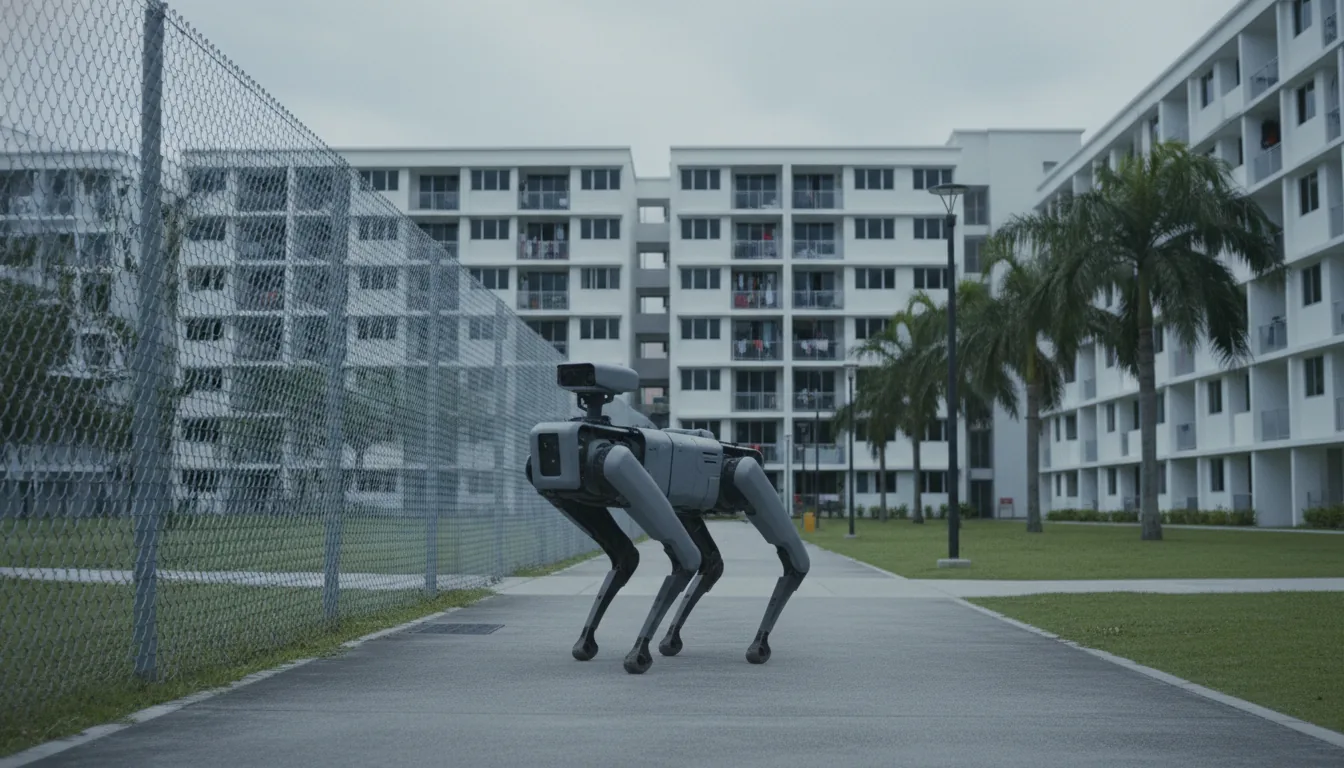
PKG-01
Autonomous Patrol Units
UGV and UAV units run scheduled and on-demand routes, streaming sensor feeds back to the node — persistent presence with no body on the line.
Vertical Brief 04 — Autonomous Perimeter & ISR
Robotic patrol and layered sensors hold a perimeter around the clock — detecting, classifying and cueing response without a guard at every point. Counter-UAS for the upper domain, operator-authorised for every action, at a fraction of conventional guarding cost.
Perimeters now face threats a static guard can't see — drone incursions over the fence line, coordinated probing, intrusion at the quiet hours when manning is thinnest. Meanwhile the guard force itself is the constraint: rising wages, chronic shortages and roster gaps that turn a manned posture into a cost and a liability at once.
Autonomous Perimeter & ISR re-bases the perimeter on persistent sensing and robotic patrol. Sensors and units do the watching every hour of every day; the command node does the triage; officers respond only to verified events. The line is held by technology, with people kept for the decisions that need them.
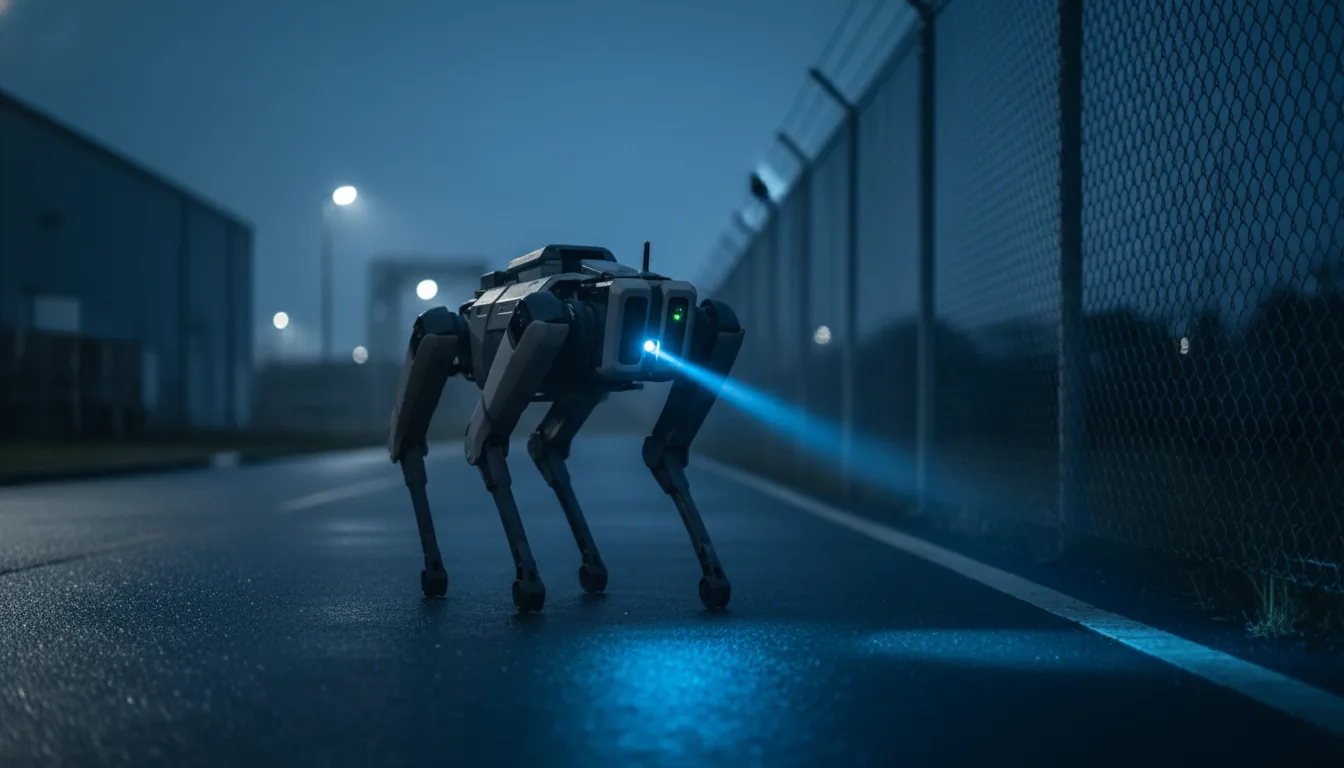
The posture scales with the perimeter — from a single low-risk boundary to a high-value site exposed to the airspace threat.
| Tier | Site Profile | Sensor & Autonomy Stack | Response Posture |
|---|---|---|---|
| Tier 1 | Single perimeter, low-risk boundary | Fixed cameras + AI analytics, virtual patrol sweeps | Remote monitoring with on-call response |
| Tier 2 | Extended or multi-gate perimeter | + EO/IR sensor towers + one UGV patrol unit | + scheduled robotic patrol, verified dispatch |
| Tier 3 | Critical site, elevated threat | + radar + RF detection + a UGV/UAV patrol fleet | + autonomous detection, operator-confirmed dispatch |
| Tier 4 | High-value / airspace-exposed site | + counter-UAS detection + multi-layer ISR fusion | + layered, operator-authorised countermeasures |
TIERS ARE CUMULATIVE — EACH BUILDS ON THE LAST. SCOPED TO THE SITE ASSESSMENT.
Four building blocks, fielded in the combination the tier calls for — all wired back to one command node.
PKG-01
UGV and UAV units run scheduled and on-demand routes, streaming sensor feeds back to the node — persistent presence with no body on the line.
PKG-02
EO/IR cameras, radar and acoustic sensors on fixed towers give layered, all-weather detection across the boundary, day and night.
PKG-03
RF and radar detection of unauthorised drones over the perimeter, with operator-authorised countermeasure tasking for the upper domain.

PKG-04
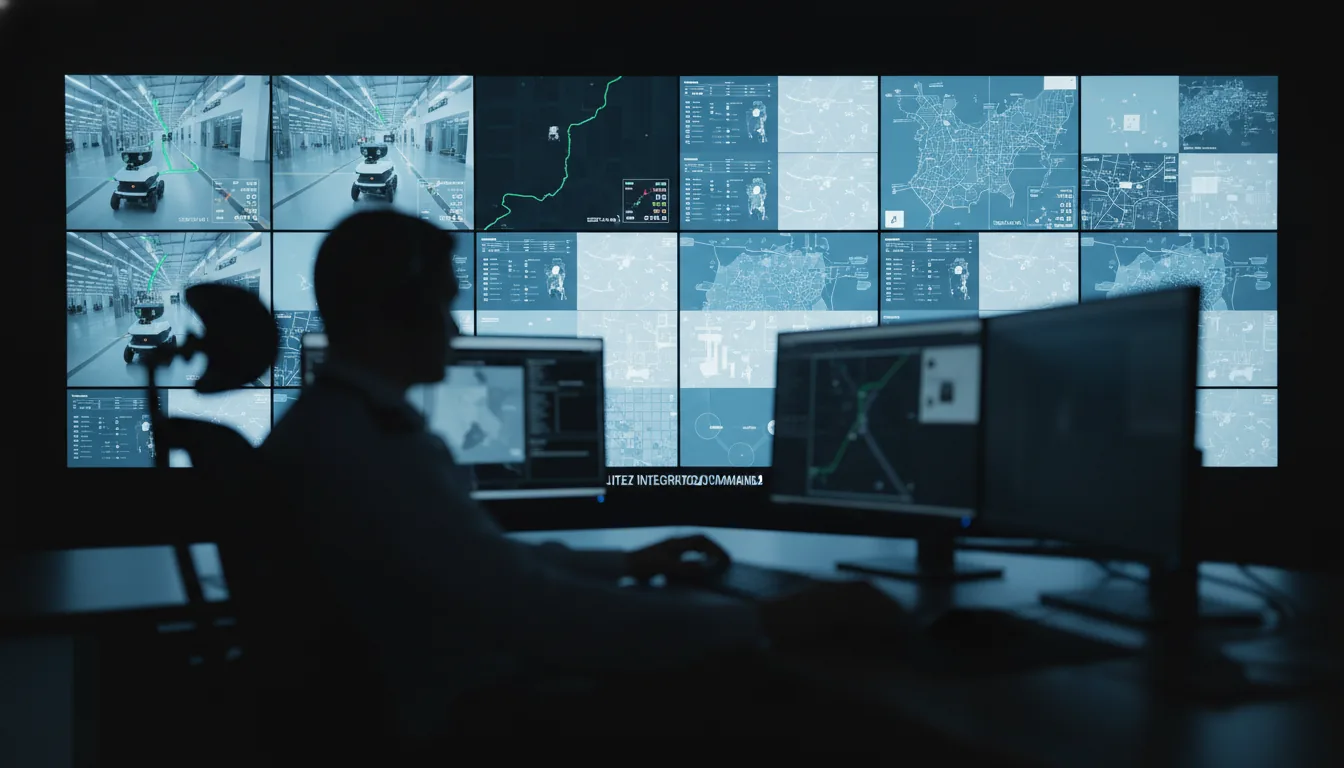
Every unit, sensor and alert surfaces to a cleared operator at the command node — detection runs autonomously, response stays human-authorised.
Sensing, patrol, access and effectors don't operate in isolation — the node ties them into one responsive perimeter.
CON-01
Fence-line, rooftop and open-ground detection fused into one threat map.
CON-02
Routes that adapt to events — a sensor trip re-tasks the nearest unit.
CON-03
Barriers and turnstiles on the same ruleset, locked down on event triggers.
CON-04
Counter-UAS and deterrents actuated under operator authority, fully logged.
Illustrative monthly cost of holding one extended perimeter — a conventional manned posture versus an autonomous ISR deployment.
FIGURES ARE ILLUSTRATIVE FOR ONE EXTENDED PERIMETER. ACTUAL COSTING FOLLOWS A SITE ASSESSMENT — MODEL YOUR OWN IN THE ROI CALCULATOR.
We walk your boundary, map the threat and the blind spots, and come back with a tiered autonomous-ISR posture and a costed picture — measured against what you spend on manning today.