A specialist diagnostic imaging clinic that shows you what is inside.
A purpose-built MRI and preventative-screening clinic in Johor Bahru, founded on a simple discipline: scan thoroughly, read carefully, explain everything in plain language — including what we do not find.
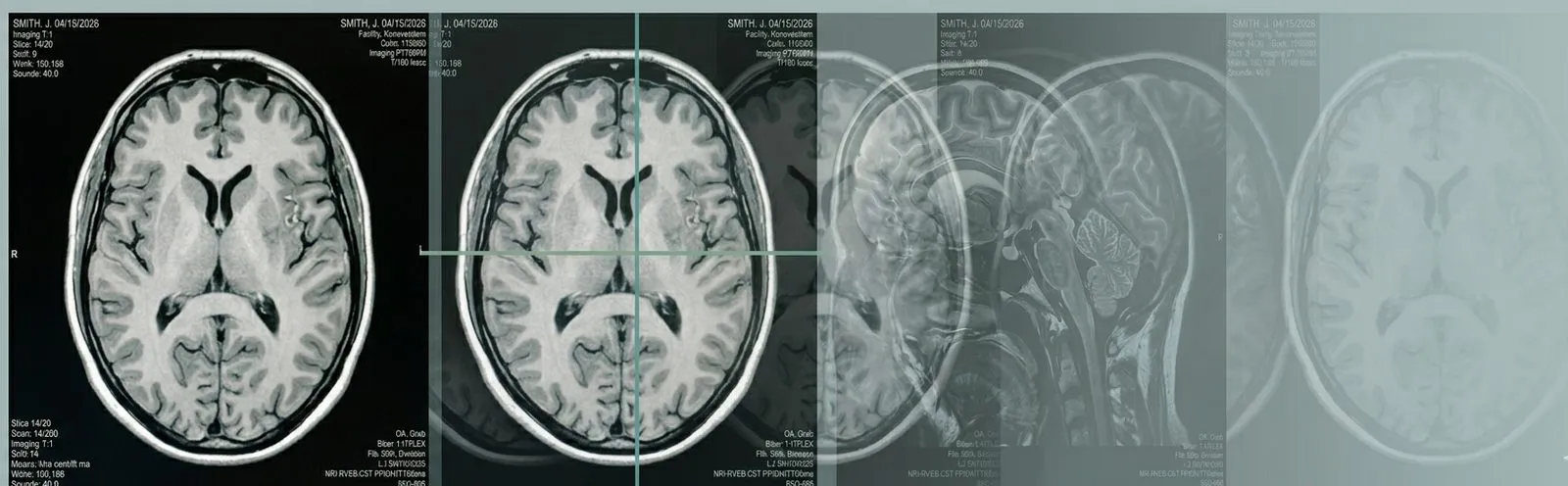
Reference scan · Comprehensive Tier
SCAN-25.04 · DEMO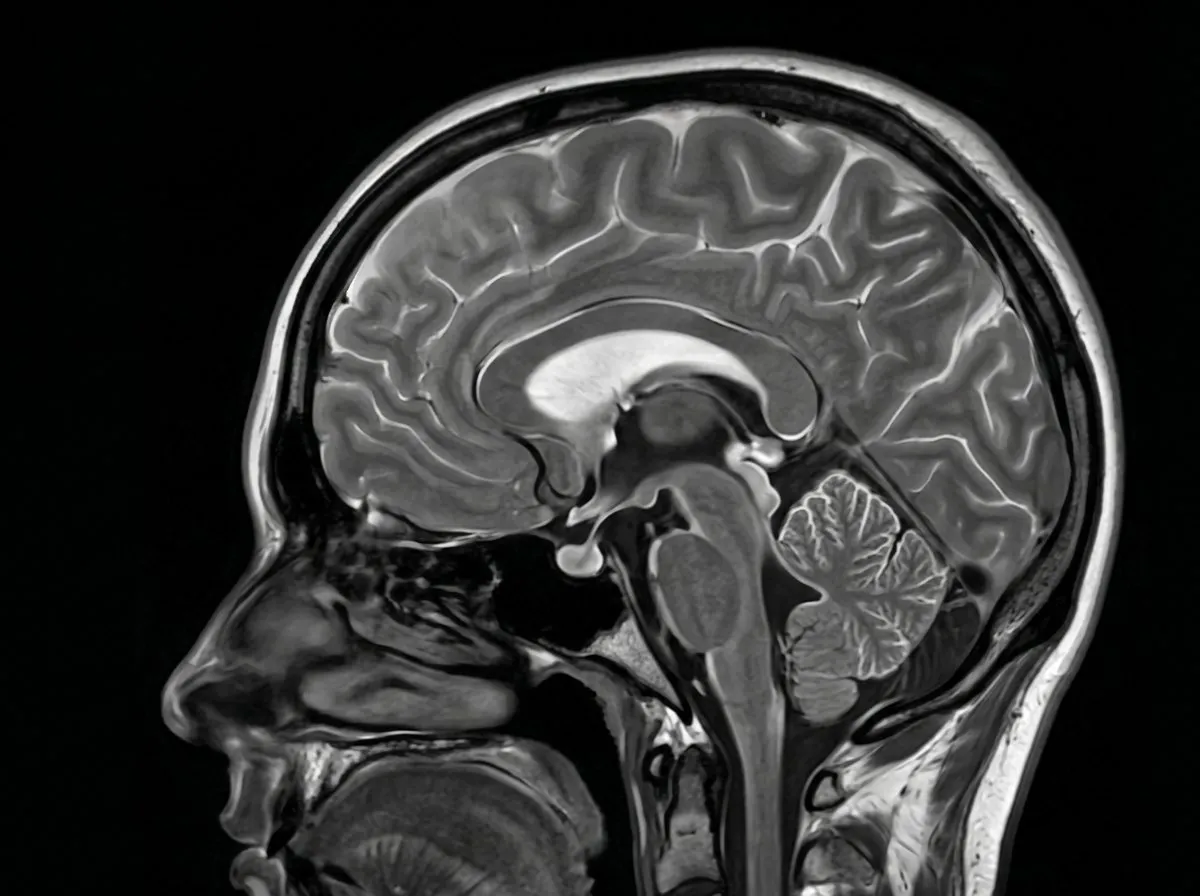

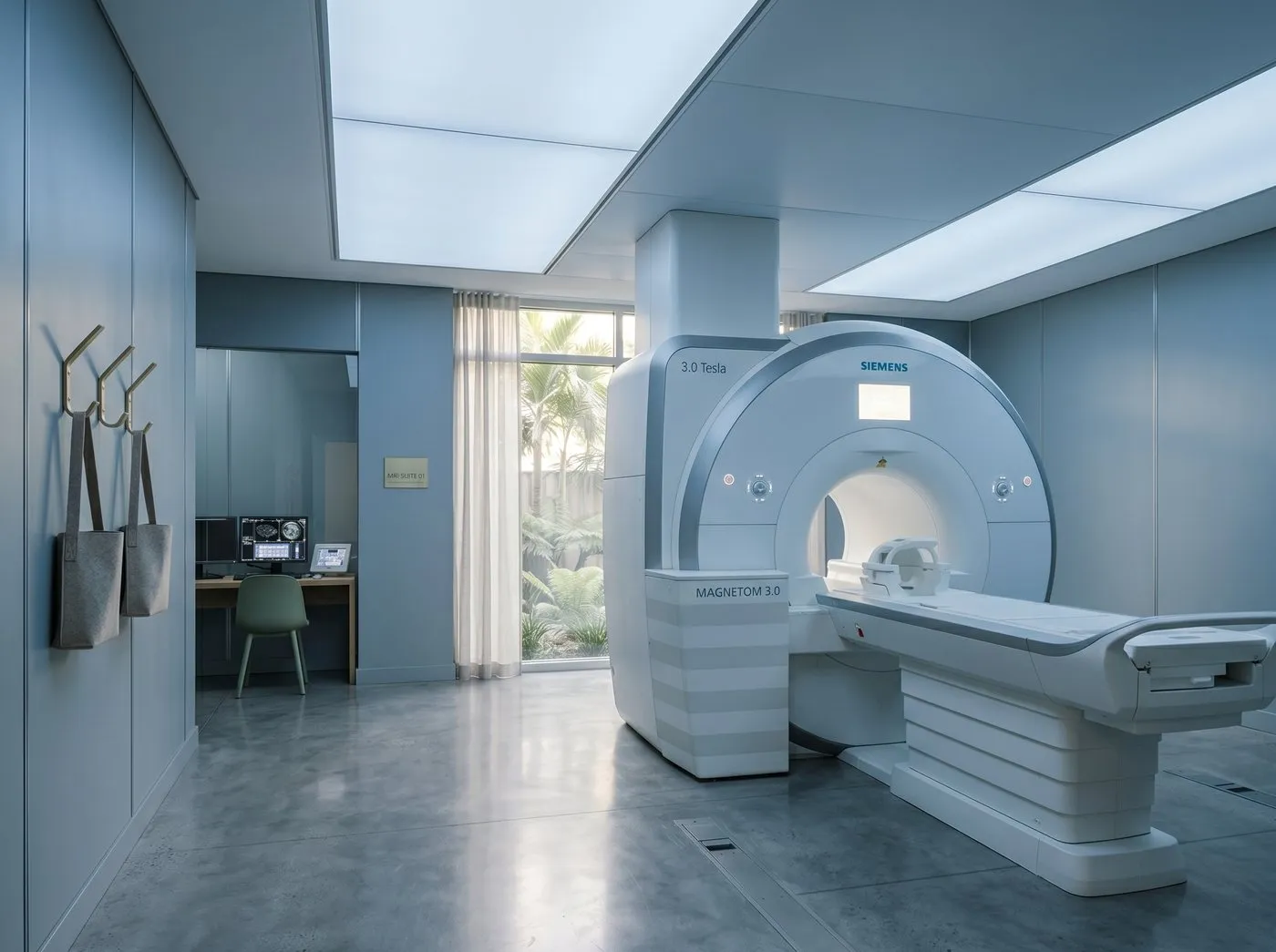
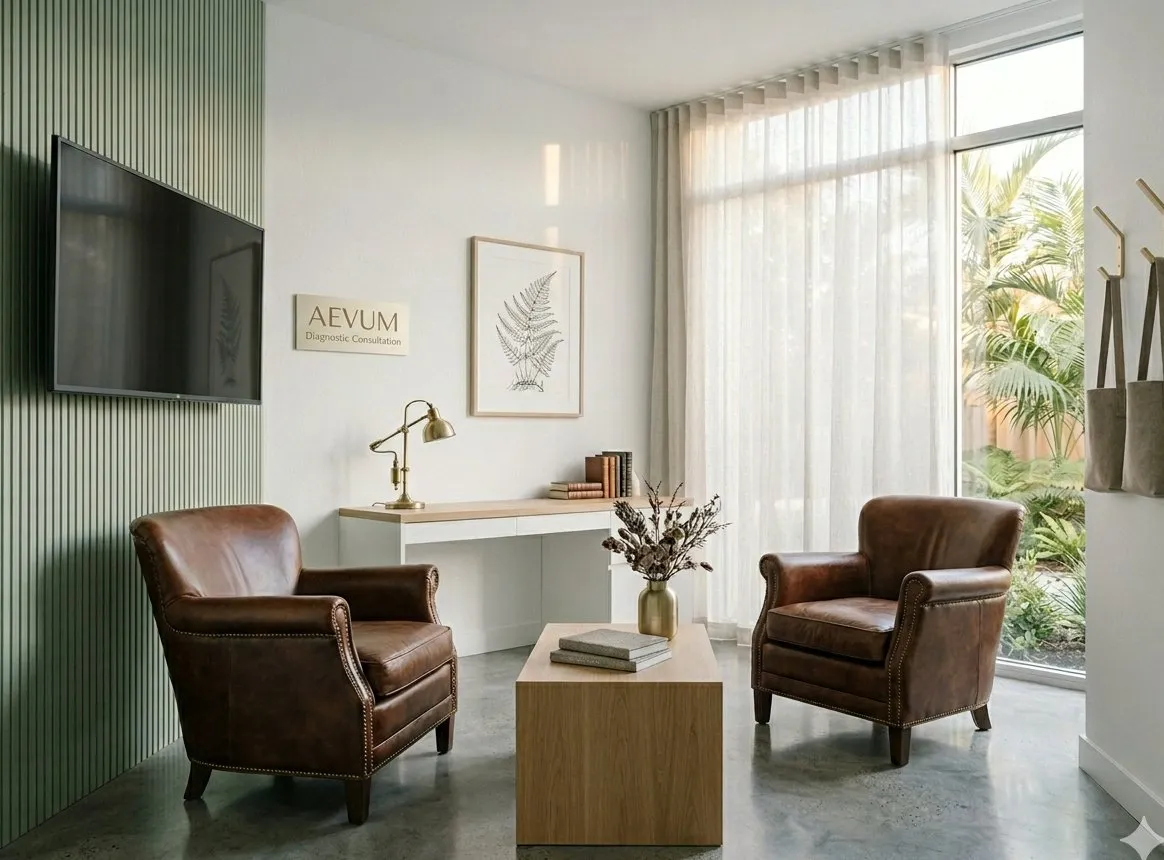
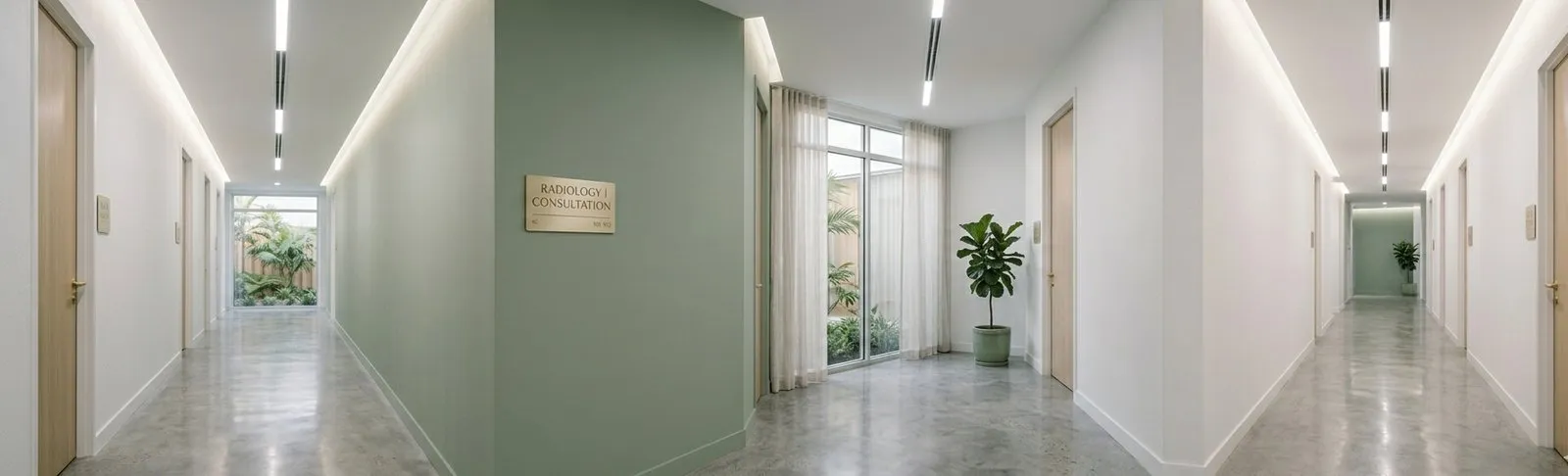
An unhurried, residential feel. No clipboards at the door, no fluorescent glare overhead.
What a specialist diagnostic clinic should look like in 2026.
AEVUM exists because preventative full-body MRI screening — an effective and well-validated clinical tool when used correctly — has been packaged and sold poorly by most of the global market. Some clinics overpromise, some quietly omit findings, some leave the patient with a one-page summary slip and no one to call.
We have built our practice on the opposite discipline: thorough scans, double-read by named consultant radiologists, explained to you in person for a full sixty minutes, with an honest accounting of what we found, what is benign, what merits a follow-up, and what we cannot conclude from imaging alone.
"A scan is a starting point. The conversation that follows is what determines whether it was useful."
— founding operating principle, AEVUM, 2026The clinic is regulated under Malaysia's Private Healthcare Facilities Act (Act 586). Every magnet and the CT scanner are registered with the Medical Device Authority. We are pursuing voluntary MSQH accreditation — Malaysia's equivalent of JCI — from year one.
What we look for · scope of practice
Our consultant radiologists. Listed publicly, registered with the MMC.
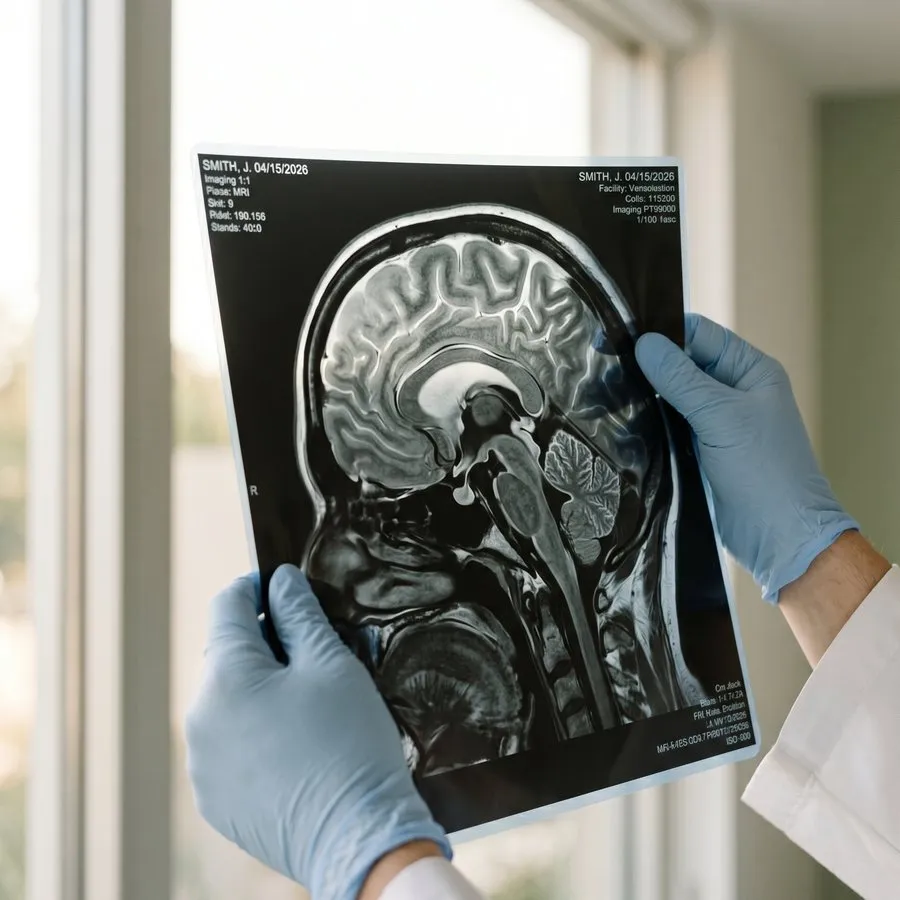
Dr. Aminah Lim
- MBBS (NUS), MMed (Diagnostic Radiology)
- FRCR (UK)
- Areas of clinical practice: body imaging, oncologic MRI
- MMC Reg. No. pending registration
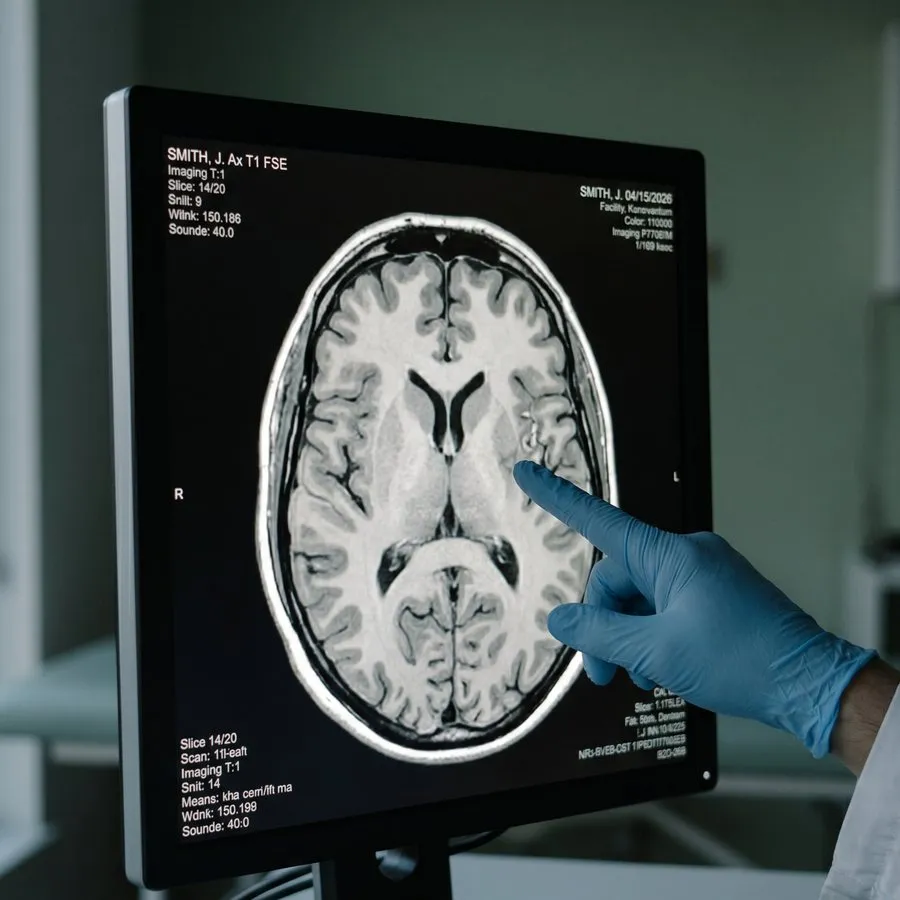
Dr. Rajesh Balachandran
- MD (Manipal), DNB (Radio-diagnosis)
- Fellowship: MR Neuroradiology (Toronto)
- Areas of clinical practice: neuroimaging, brain volumetrics
- MMC Reg. No. pending registration
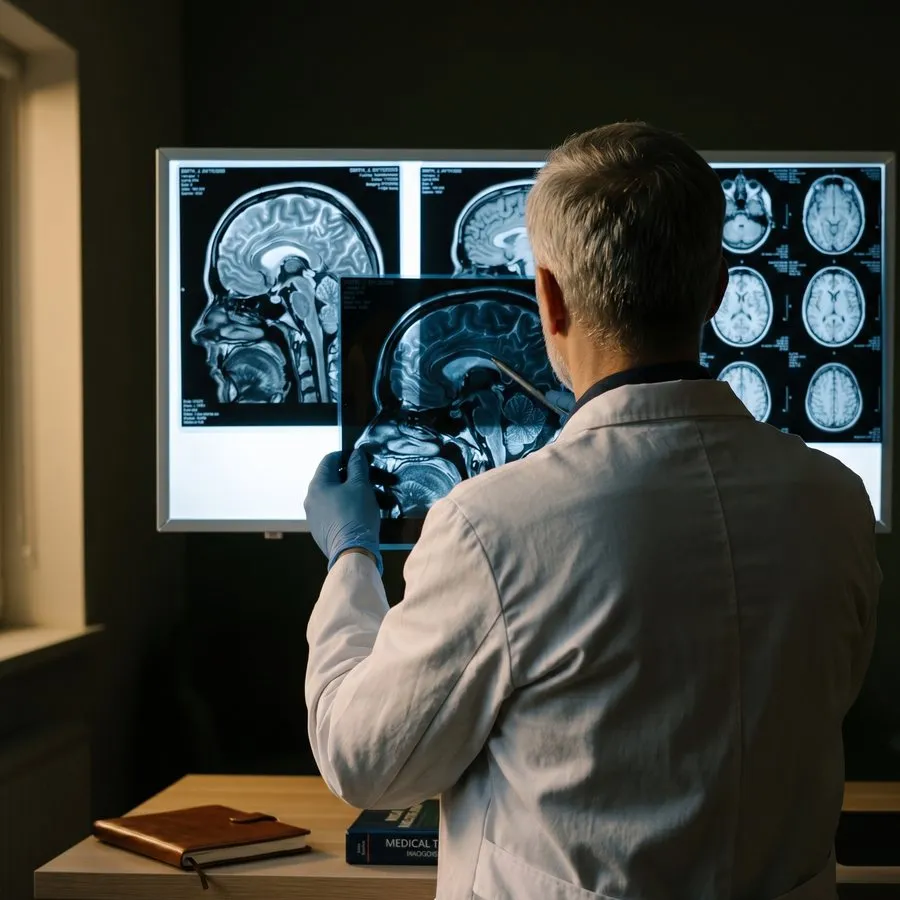
Dr. Marcus Tan Wei Liang
- MBBS (UM), MMed (Diagnostic Radiology)
- Fellowship: Cardiac MRI (RBWH, Brisbane)
- Areas of clinical practice: cardiac and thoracic imaging
- MMC Reg. No. pending registration
Practitioner names shown are illustrative for the purposes of this draft site. Final consultant appointments will be confirmed and listed with their MMC registration numbers prior to clinic opening, as required under the Private Healthcare Facilities and Services Act 1998 (Act 586).
What a full-body MRI actually covers.
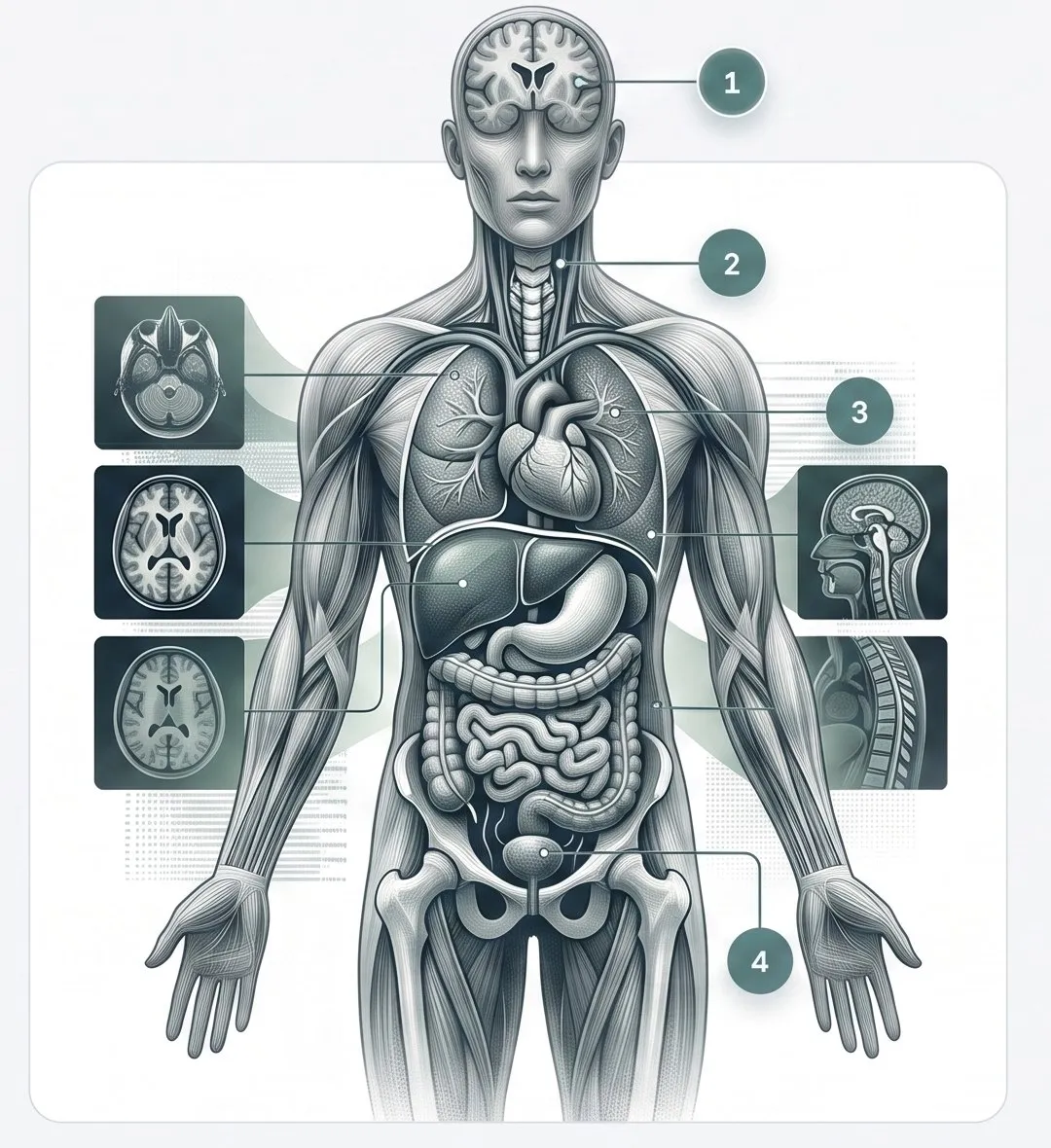
-
1
Head & brain
Whole-brain MRI including cerebrum, cerebellum, brainstem, and ventricles. Looks for masses, vascular abnormalities, white-matter changes, and structural asymmetries.
-
2
Neck & cervical spine
Cervical vertebrae, spinal cord, lymph node basins, thyroid, and major neck vessels. Catches degenerative spine disease and lymphadenopathy.
-
3
Thorax (Comprehensive +)
Lungs, mediastinum, heart, and great vessels. MRI is excellent for cardiac structure; we add a low-dose CT for lungs in the Platinum tier where MRI is weaker.
-
4
Abdomen & pelvis
Liver, kidneys, pancreas, spleen, adrenal glands, bladder, prostate (men), uterus and ovaries (women). The highest-yield region for incidental findings.
-
5
Spine & major joints
Thoracic and lumbar spine, hips and knees. Identifies disc disease, joint degeneration, and structural abnormalities — common findings, often manageable conservatively.
Four scan tiers, priced in MYR.
- Head, neck, abdomen, pelvis
- 1.5T MRI · 60-min scan
- 30-min consultant consult
- Same-day written report
- Full-body MRI (head → pelvis)
- Spine + hips + knees
- 1.5T or 3.0T as indicated
- Double-read by 2 consultants
- 60-min in-person consult
- Everything in Comprehensive
- MR angiography (head + neck)
- Brain volumetrics, brain age
- Body composition analysis
- 3.0T-only · 90-min consult
- Everything in Legacy Ultimate
- Low-dose CT (heart + lungs)
- Comprehensive blood biomarker panel
- 120-min consult · bound report
- 12-month follow-up reading
Plain-language. Hand-bound. Yours, on the day.
Every guest leaves with a written report — printed and bound on archival paper, returned in a clinic-stamped folder, signed by the reading consultants. The structure follows a strict protocol: clinical context, methodology, findings (region by region), interpretation, and explicit recommendation.
Where a finding is benign, we say so and explain why. Where a follow-up is warranted, we name the specialty, the recommended interval, and our preferred referral partners at Columbia Asia, Mount Elizabeth Novena, or Gleneagles Singapore.
A digital PDF copy is dispatched to your nominated GP or longevity physician within 24 hours, with your written consent.
AEVUM · Diagnostic Imaging Report
REP-2026-04-018Comprehensive Full-Body MRI
Whole-body MRI performed on Siemens MAGNETOM Vida (3.0T). T1- and T2-weighted sequences, axial / sagittal / coronal planes. Gadolinium contrast not administered (asymptomatic screening protocol).
Brain: Normal cerebral volume for age. No mass, no acute infarct. Minimal age-related white matter signal change (Fazekas 1) — normal for age band.
Cervical spine: Mild C5/C6 disc desiccation, no neural foraminal compromise. Common, non-actionable.
Liver: Two simple cysts (≤ 8mm), benign. No further imaging needed.
Other regions: Unremarkable.
Anatomically reassuring scan for a 47-year-old male. Findings noted are benign and do not require follow-up imaging. Recommend re-scan in 12 months for longitudinal baseline.
What we claim · what we don't · what the literature says.
An honest, thorough, expert-read scan.
We claim that a Siemens 3.0T MRI, read by named consultant radiologists, can identify a meaningful number of structural abnormalities — including some early-stage cancers, vascular abnormalities, and degenerative conditions — that may otherwise go undetected for years.
We claim that a 60-minute in-person consultation, conducted by the radiologist who read your scan, is materially better than a printed PDF — particularly for managing the ~32% of asymptomatic scans that surface a benign incidental finding.
Hegenscheid et al., Radiology, 2013 · Lee et al., Radiology, 2024It is not a complete diagnostic picture.
We do not claim that a full-body MRI will detect every cancer, every disease, or every potential health issue. Lung adenocarcinoma, for example, is poorly visualised on MRI — we add a low-dose CT for the Platinum tier specifically for this reason.
We do not claim that AEVUM extends life or guarantees outcomes. The published evidence on whole-body MRI as an asymptomatic screening tool remains debated — see the box on the right.
No reasonable provider should claim either of these.The professional debate is live, and we engage with it.
The American College of Radiology (ACR) and the Canadian Association of Radiologists (CAR, Sept 2025) explicitly advise against routine asymptomatic whole-body MRI screening, citing high false-positive rates and unproven life-extension benefit.
Our practice engages with this debate directly. We accept that not every patient is a suitable candidate for asymptomatic full-body MRI screening, and we will say so during the intake conversation if we believe so in your case. Where the scan is appropriate, our protocol — consultant double-read, in-person 60-minute consultation, structured incidental-finding management, 12-month re-read — is designed to minimise the harms the literature identifies.
Read the ACR / CAR statements via the Research Panel.The first scan is a baseline.
The second scan is when the work begins.
The 12-month re-read is the most underused feature in preventative imaging.
Many preventative-screening clinics deliver the scan and hand over the report at the end of the visit. We do the opposite. Every AEVUM guest is enrolled in a 12-month re-read protocol at the time of their first scan — included as part of the bundled package price for the Comprehensive tier and above, and included for the first year as part of the Core tier package price.
Twelve months later, your prior scan is re-read alongside any new imaging. Subtle changes — a kidney cyst that has grown 2mm, a brain region whose volume has shifted — become visible only against a baseline. Without the comparison, none of this is detectable.
This is the discipline the published evidence actually supports: longitudinal trend, not one-off snapshot. The first scan creates the dataset. Every scan after that uses it.
Architectural restraint, deliberately quiet.


assets/fac-*.jpg file into the repo and the photo replaces the placeholder automatically — no other code change required.
Nusajaya, Iskandar Puteri. 25 minutes from the causeway.
DB Medical & Wellness Centre
Purpose-built medical suite, 5,000 sq ft, three RF-shielded magnet rooms, on-site emergency capability per Act 586 §38(1). Adjacent to Columbia Asia Hospital — our preferred referral partner for any onward sub-specialist care.
Accreditation & compliance
- ✓
Act 586 · Certificate of Registration
Private Ambulatory Care Centre licence, issued by MOH/CKAPS.
- ✓
MDA Reliance Program
All magnets & CT registered under Medical Device Act 2012 via FDA/CE reliance.
- ✓
Act 586 §38(1) · Emergency capability
Full on-site resuscitative readiness. Mandated, always staffed.
- ✓
Medical malpractice + facility liability
Comprehensive cover via international panel underwriter.
- ~
MSQH Accreditation
Voluntary international standard. In active application — expected H2 2026.
Asked, by guests, before booking. Answered honestly.
MRI uses strong magnetic fields and radio waves — no ionising radiation, unlike CT or X-ray. There is no known long-term risk from a single MRI scan, and no cumulative dose to track.
The only meaningful exclusions are non-MRI-compatible implants (older pacemakers, certain cochlear implants, some metal fragments). The clinical concierge will screen for these before any appointment is confirmed. Severe claustrophobia can usually be managed with our wide-bore (60–70cm) magnets and an oral mild sedative if needed.
This is the most important question — and the reason we built our practice around the post-scan consultation. Roughly 32% of asymptomatic full-body scans surface a benign incidental finding (a small cyst, a tendon irregularity, a soft-tissue shadow).
Without context, this triggers anxiety and unnecessary follow-up testing — what radiologists call the "diagnostic cascade." Our 60-minute consultation exists specifically to de-escalate with evidence: explain what the literature says about findings of that type, what the appropriate interval is for re-imaging (often "none" or "12 months"), and what specifically would warrant escalation.
The US disruptors (Prenuvo at US$2,500, Ezra/Function at US$499 since the May 2025 acquisition) operate at scale, with AI-assisted reads and limited radiologist time. Their marketing has been the subject of significant clinical and legal scrutiny — including the Sean Clifford malpractice case (Washington Post, January 2026).
AEVUM operates a different service model: a single guest per magnet at a time, with every Comprehensive-tier and above scan double-read by two consultant radiologists, and a full sixty minutes of in-person consultation included. We do not publish comparisons against the prices of other clinics; the right scan for you depends on your individual clinical context, and we will discuss that openly during your initial intake.
Three reasons. First — there is currently no Prenuvo / Function-style branded longevity MRI clinic in Singapore at this price point. We considered launching in Singapore and were priced out by clinical-radiologist salaries and facility rentals.
Second — the RTS Link launches end-2026, putting AEVUM at a five-minute Uber from Woodlands North. Within twelve months of the link opening, AEVUM will be effectively as accessible as a clinic in Novena.
Third — Malaysia's Medical Device Authority has a "reliance program" that accelerates equipment registration for FDA/CE-approved devices, allowing us to deploy current-generation Siemens magnets without the multi-year certification delay.
No. AEVUM is a self-referral preventative service — you can book directly. The clinical concierge will conduct a brief intake to confirm clinical suitability and exclude any contraindications.
If you would like, we are happy to dispatch a copy of your report to your GP, longevity physician, or family doctor within 24 hours of your scan. Many of our guests prefer this — it keeps the record continuous, and your GP knows what to escalate.
For asymptomatic adults, the published evidence supports an annual cadence — sometimes biennial, depending on age and family history. We will recommend an interval as part of your post-scan consultation, based on what we found and your personal context.
The first scan is a baseline. The second scan, twelve months later, is when subtle changes become visible. Without the longitudinal comparison, much of the value of preventative imaging is lost. Every AEVUM guest is enrolled in a 12-month re-read protocol at the time of their first scan.
Begin a conversation. No obligation.
The clinical concierge will respond within one working day, on the channel of your choosing. We will confirm clinical suitability, walk you through the tier options, and answer any questions before any appointment is booked.
If we believe AEVUM is not the right fit for your situation, we will say so and refer you appropriately.
Reach our concierge directly
Same-day reply, on the channel of your choice. We will confirm clinical suitability, walk you through the tier options, and answer any questions before any appointment is booked.
Please do not send clinical history, scan reports, or NRIC/IC details over WhatsApp or email. The concierge will arrange a secure intake call once we have confirmed the appointment slot.